
Fledgling birder
Photography, ornithology and how to help our winged friends

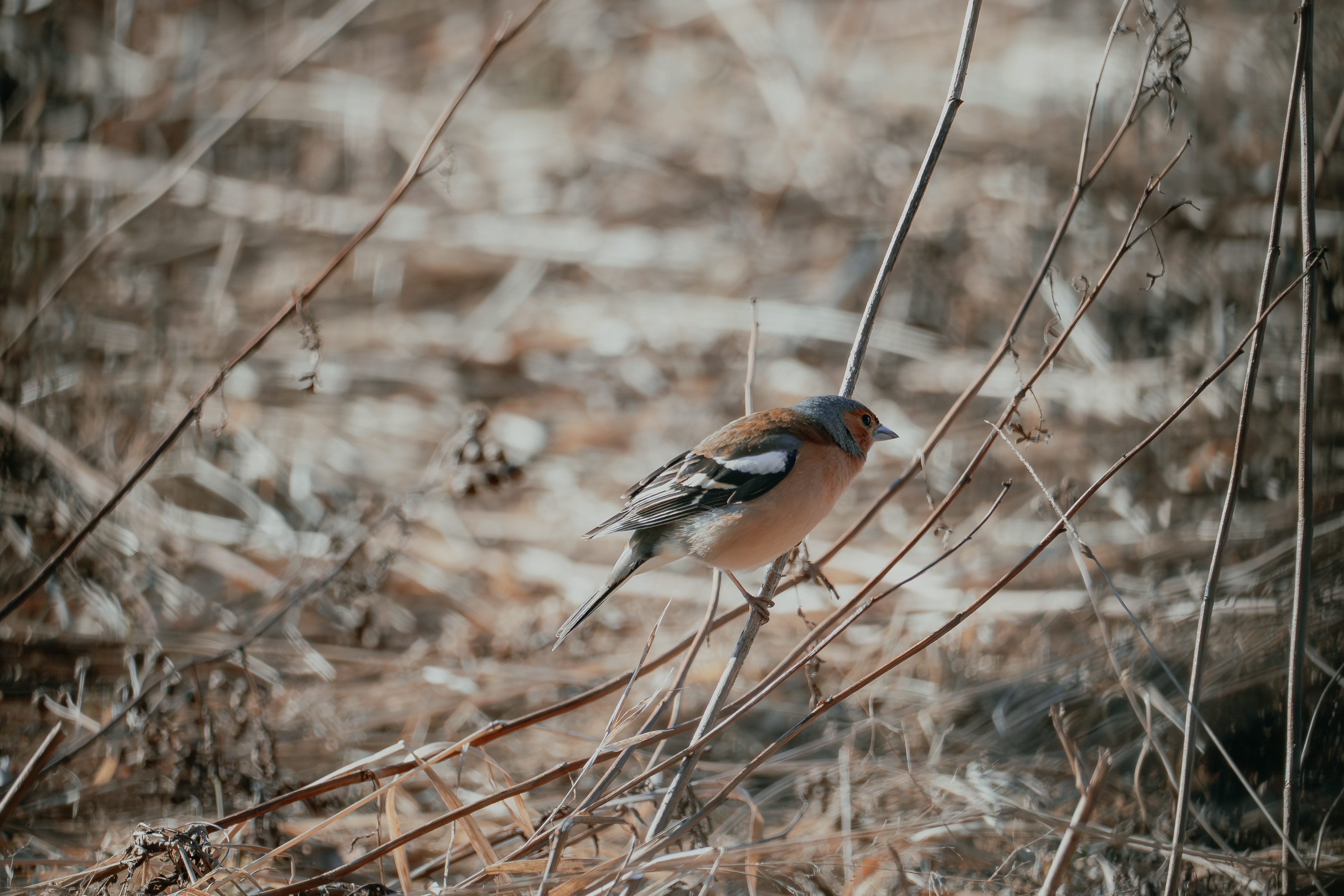
While I ‘ve been borrowing a tele to photograph the foxes living here, I’ve also tried my luck at bird photography, and it has been an incredible experience!
Seeing them up close and how different their plumage, colors and shape are has perhaps made me a bit… addicted? I love the challenge of learning to identify them based on their birdsong. Hearing the trilling melody of the Robin puts a smile on my face, and then the hunt begins: Where is it?
I’ve been using the Merlin app for years, and I absolutely love it. It’s a free app from Cornell Lab of Ornithology, that listens to the birds around you and shows you what they are, live! It has been such a helpful tool in learning to identifying birds.
Their Sound ID works completely offline, so you can identify birds you hear no matter where you are, and it also has a photo ID feature.
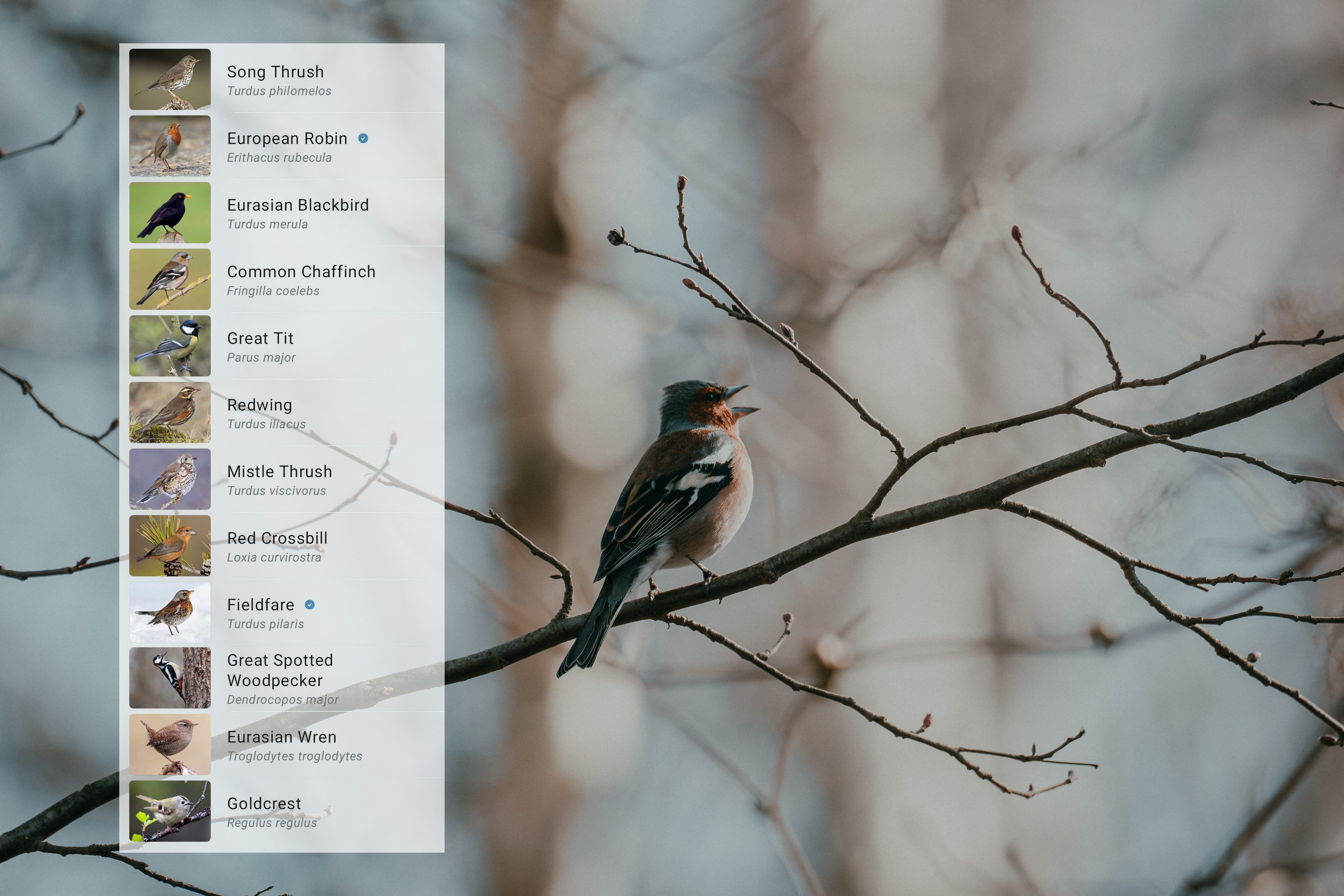
enjoy this recording of all the birds I heard at a woodland pond last week
Every year, on the second Saturday of May, as part of celebrating World Migratory Bird Day, people all over the world head out, armed with the Merlin app to participate in Cornell Labs Global Big Day.
For 2026 it took place May 9th:
Global Big Day is an annual celebration of the birds around you.
Everyone is welcome to join! Wherever you are, you can take part on 9 May just by heading outside and using the Merlin app.Last year, more than 1.7 million people joined the celebration, collectively observing over 7,900 species in a single day. Let’s make this year even bigger! You can help us set a new world record this year!
I joined in of course, adding my local birds I could hear in my garden, and throughout the day I watched the website as more and more species got reported across the globe. This will be a yearly tradition from now on!

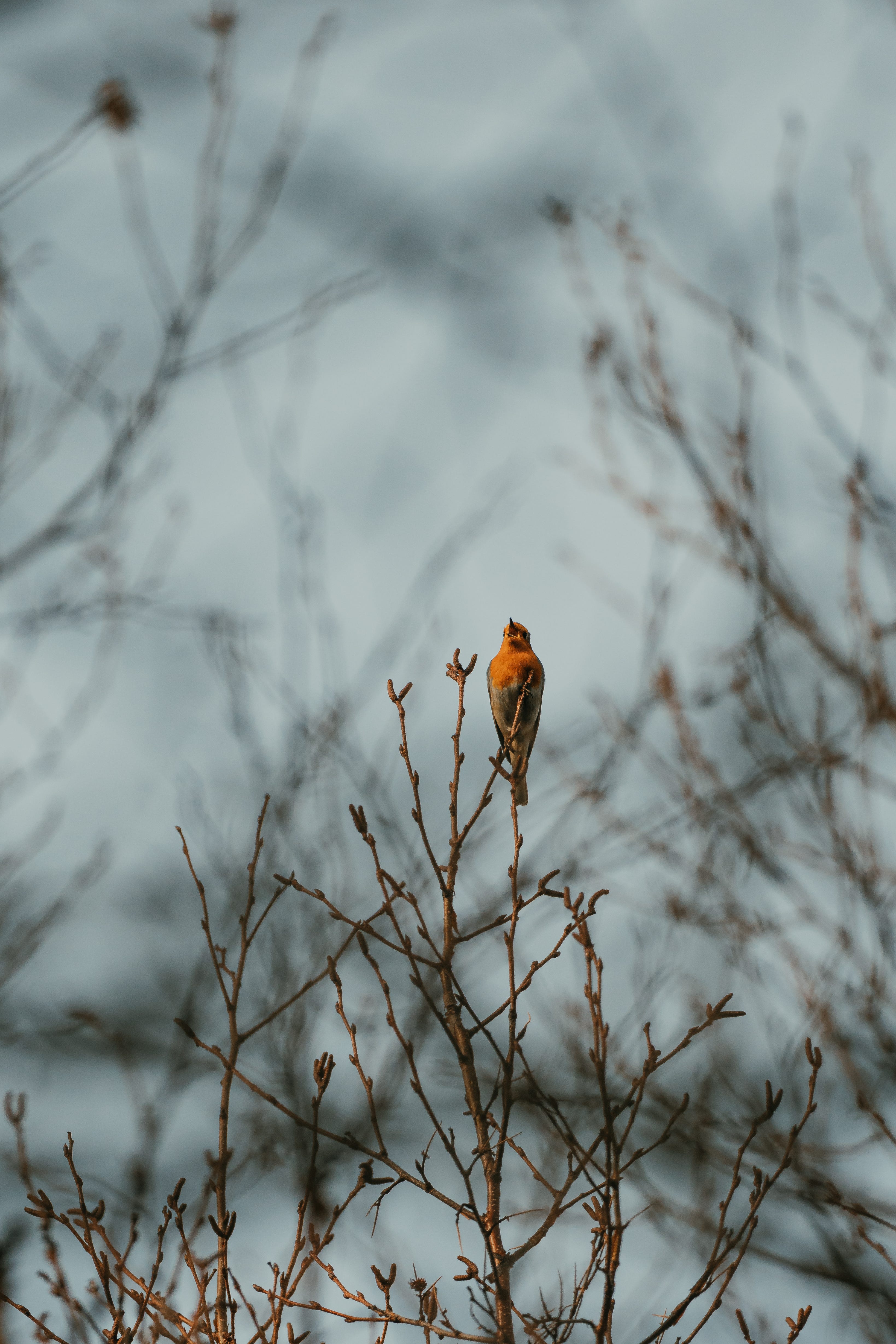
I truly feel a sense of success when I do spot the robin. It’s a similar feeling to when I am out foraging and spot Chanterelles. Maybe it’s my youth of playing Pokémon that is shining through… I do feel a need to ‘catch them all’, but with my camera. And also, in my new book!
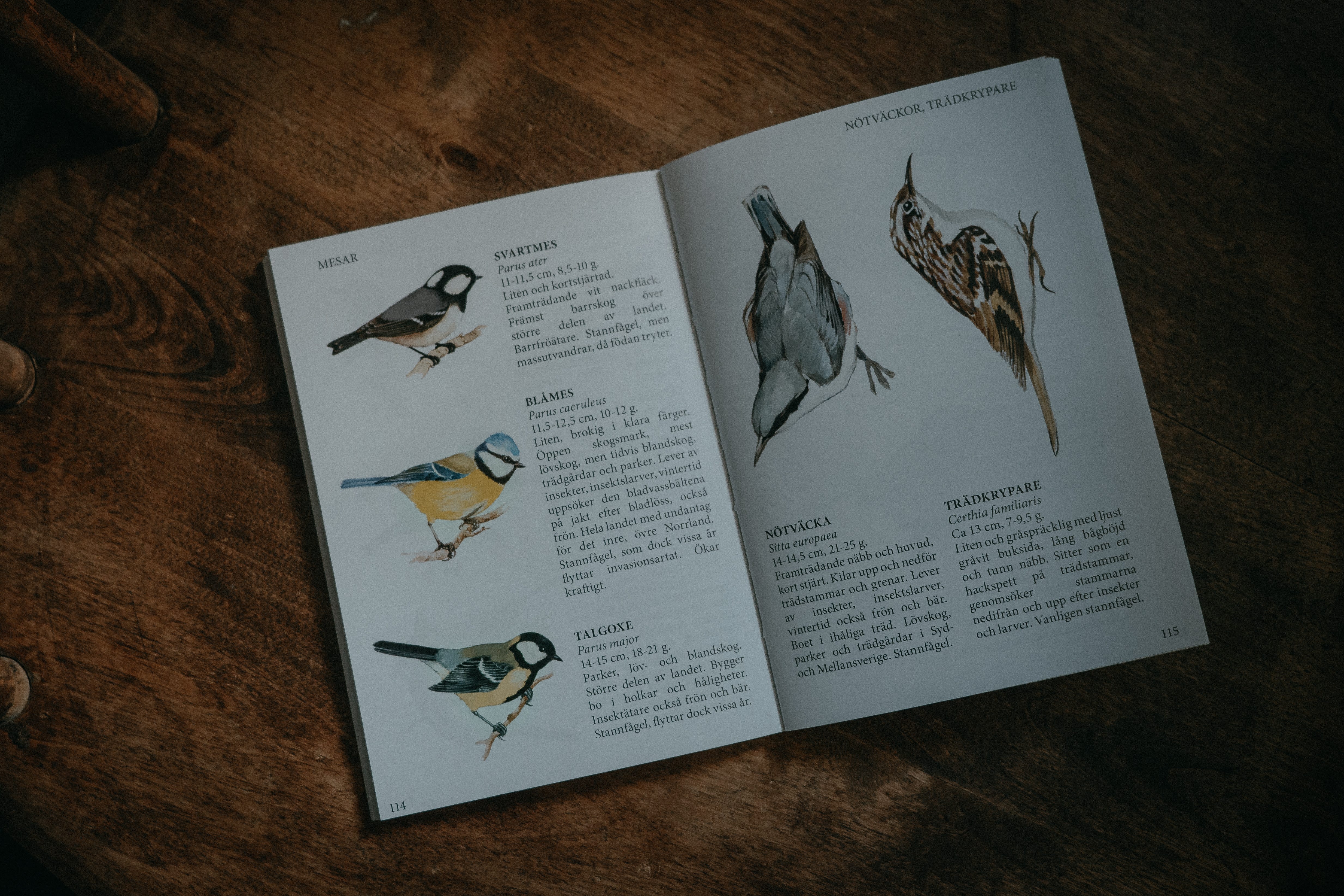
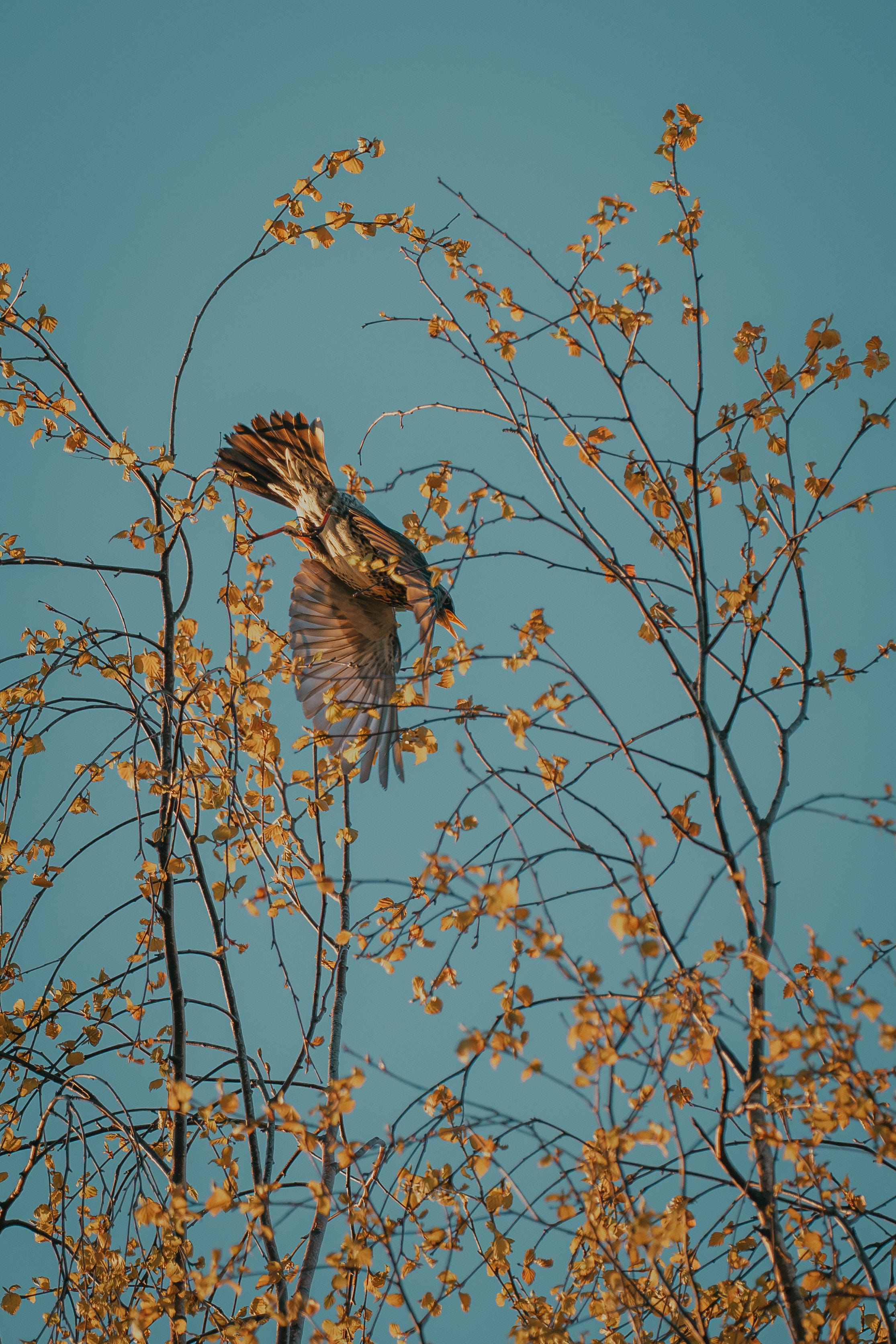
Studying the birds is teaching me a lot about their movement. Smaller ones within the family of sparrows or tits are very erratic in their movement and tricky to follow with the camera. The Fieldfare always drops down from the branch before it flies off (I missed some good shots due to this at first).
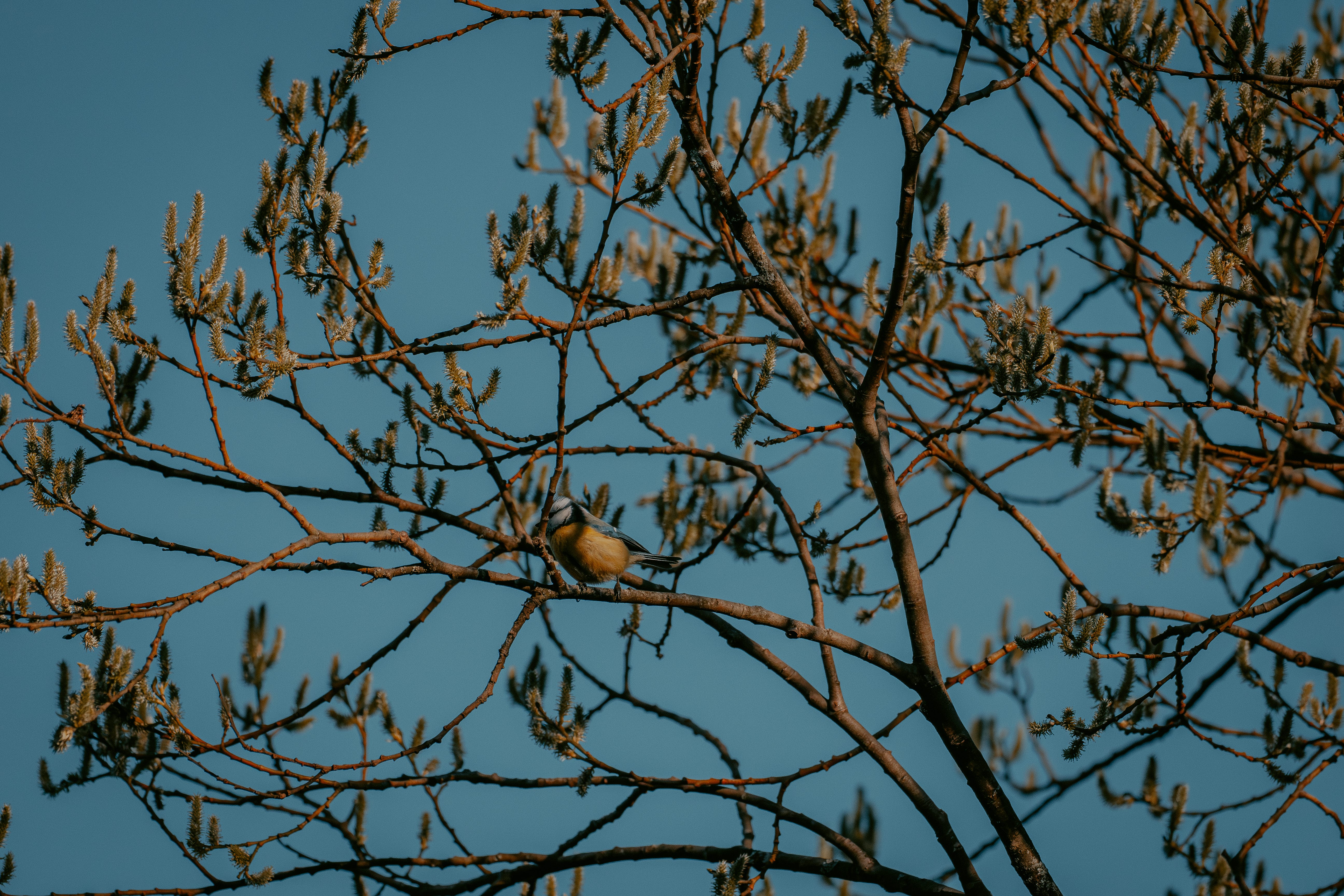
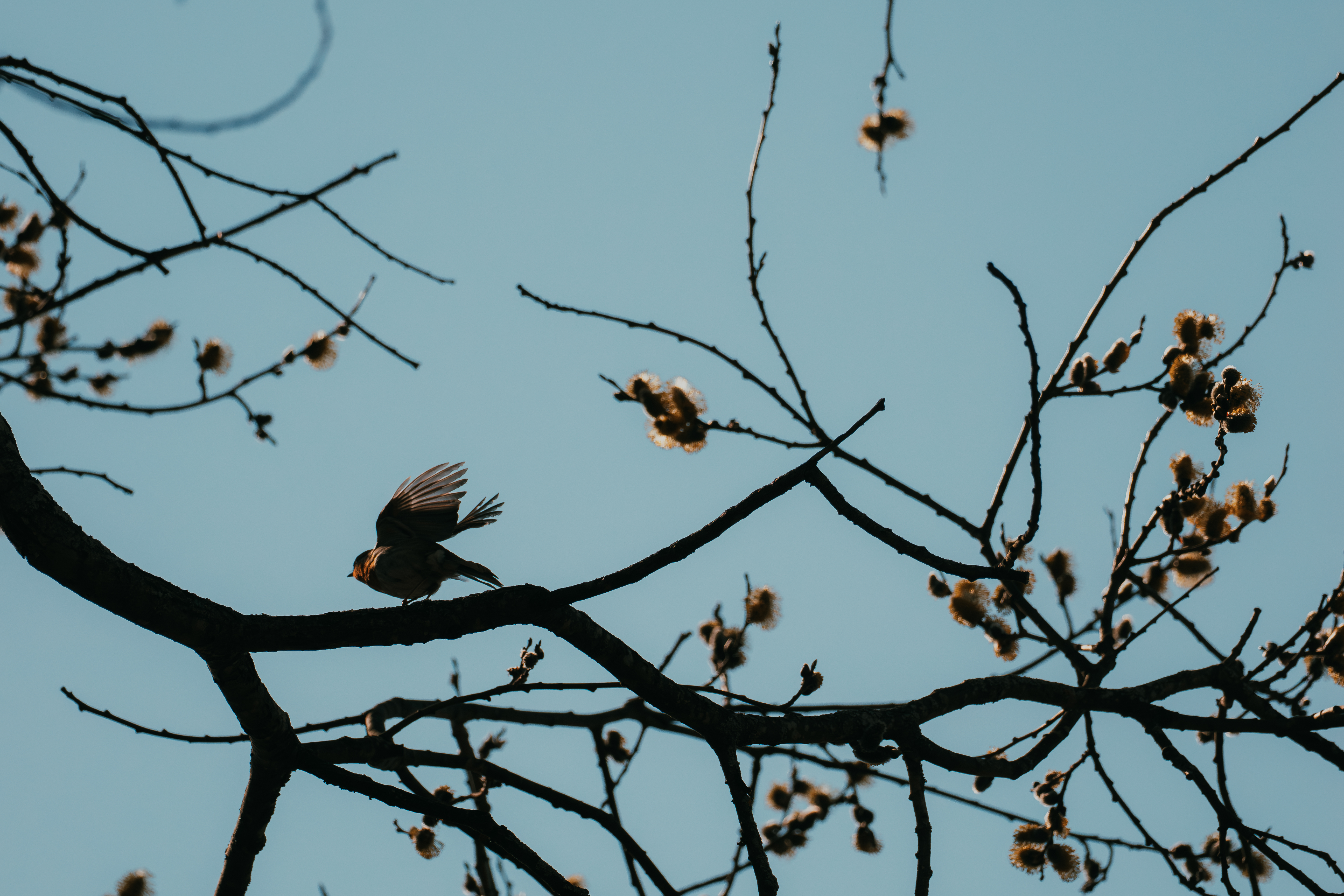
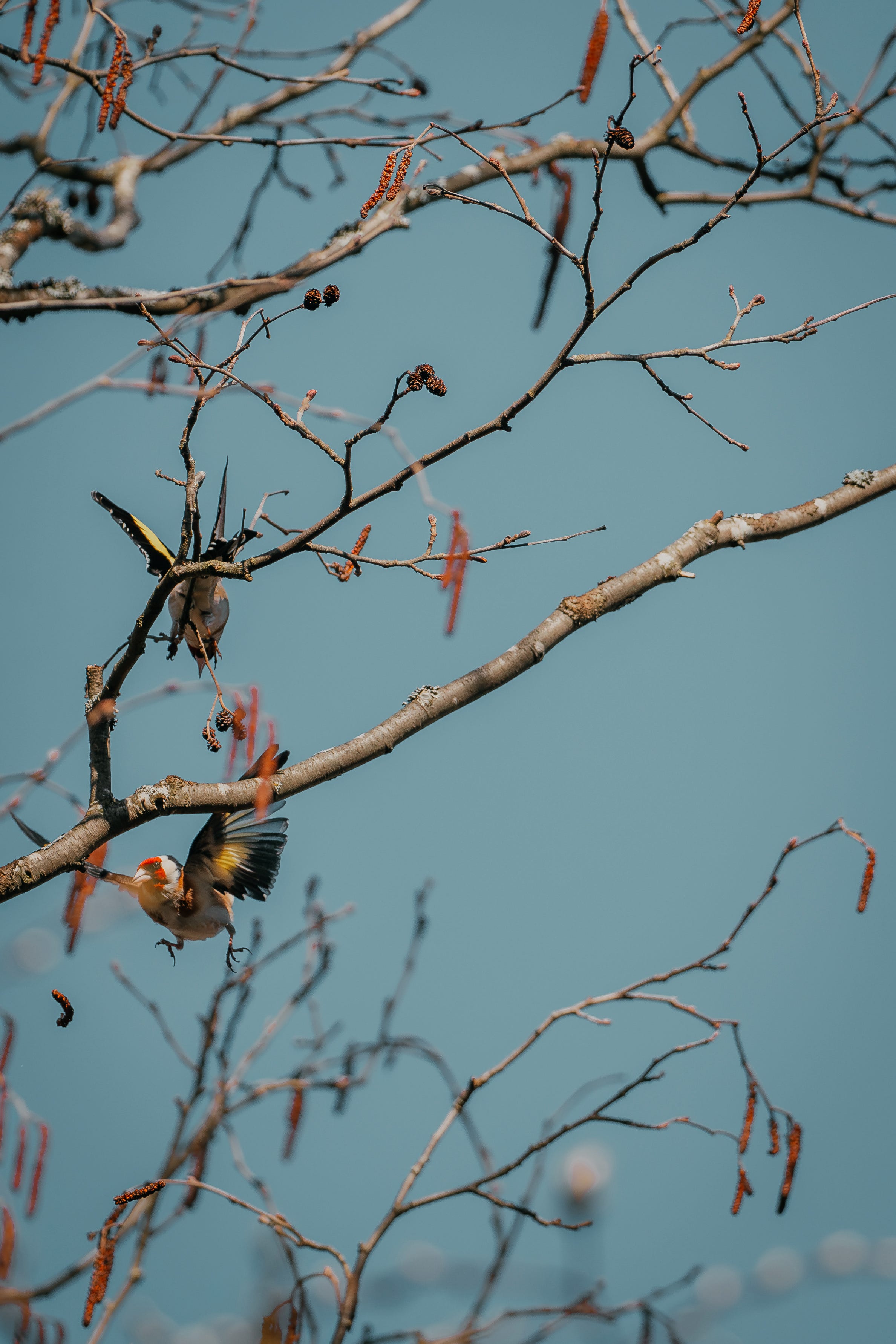
All photos are shot using the OM-3 and M.Zuiko 300mm F4.0 IS PRO
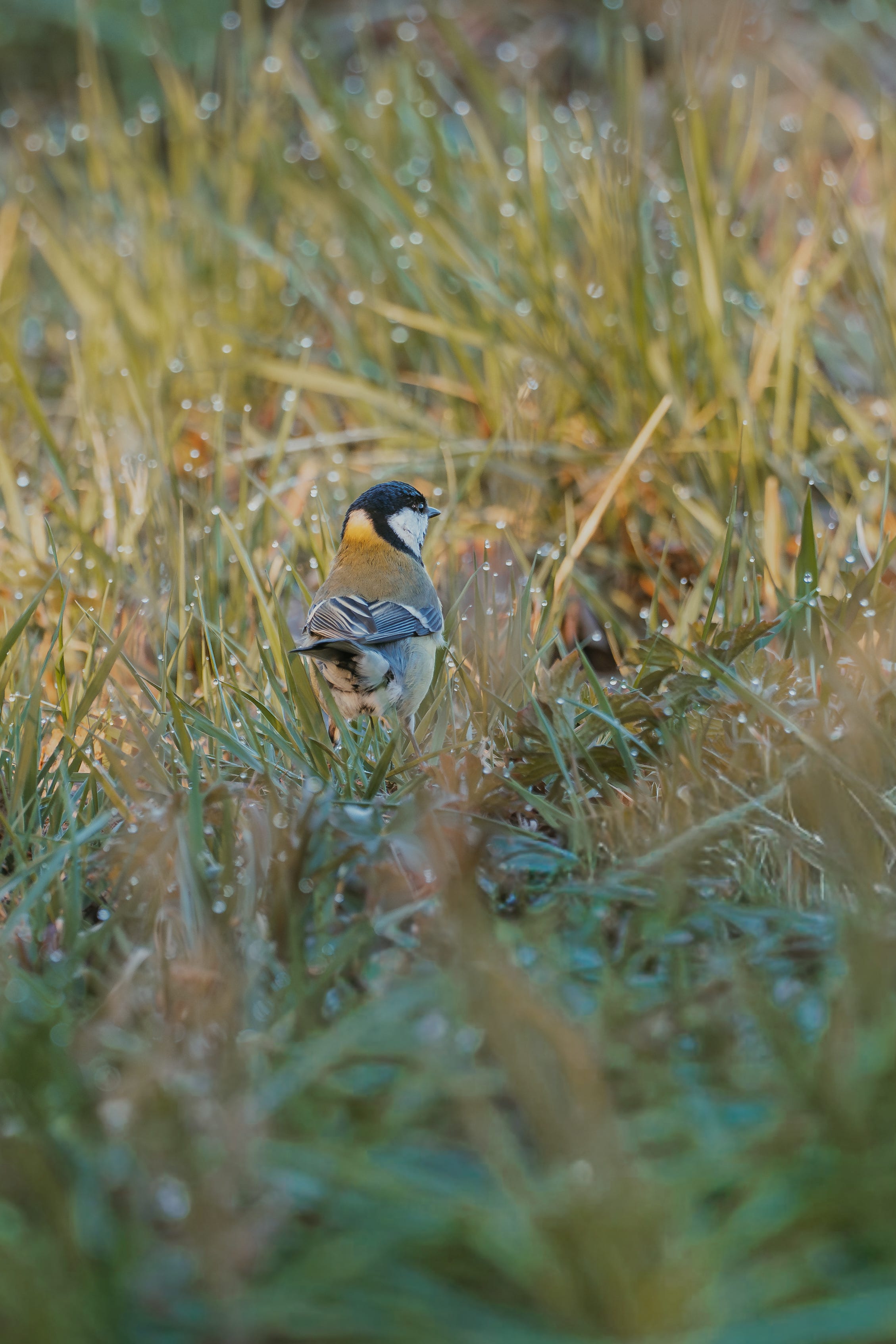
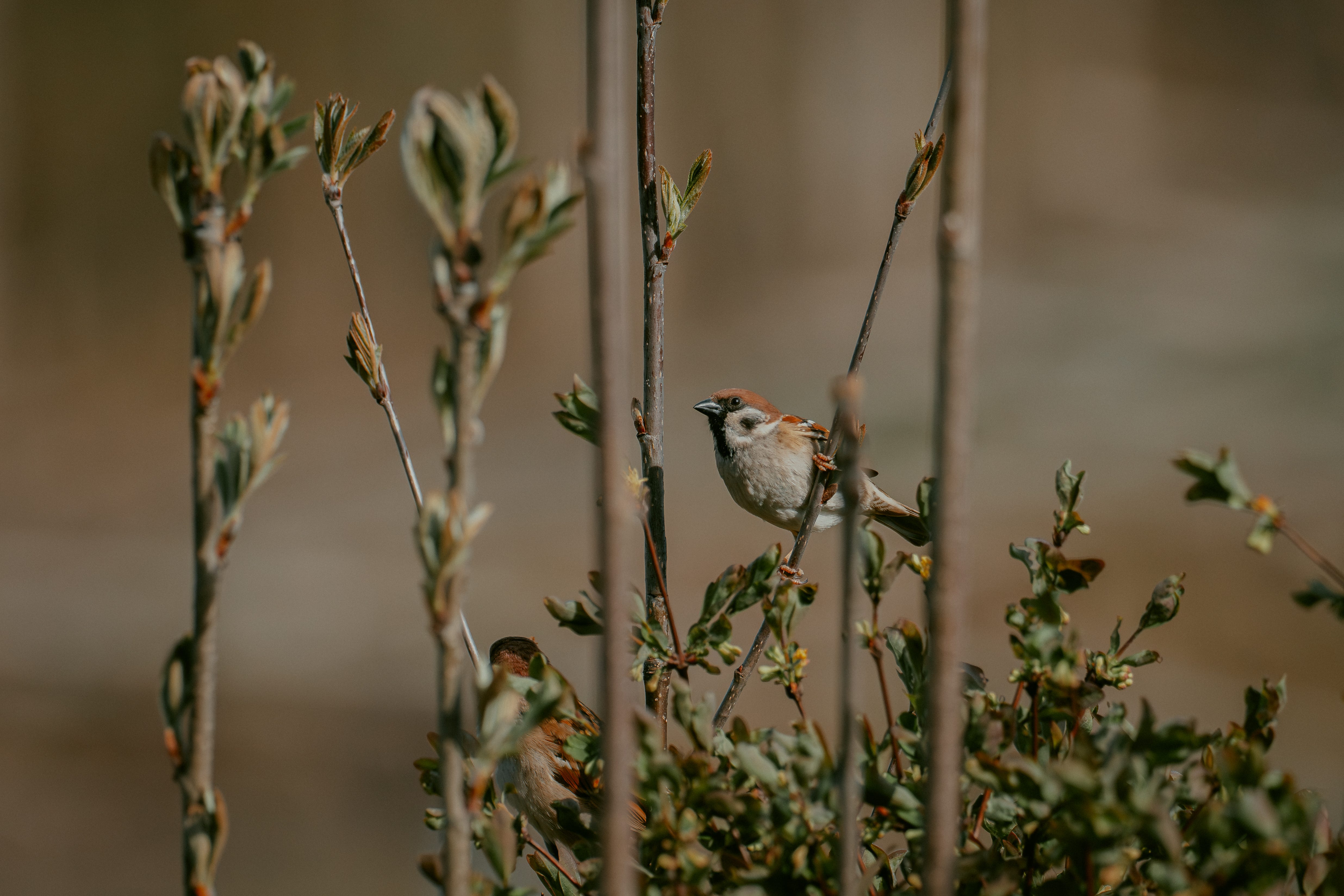
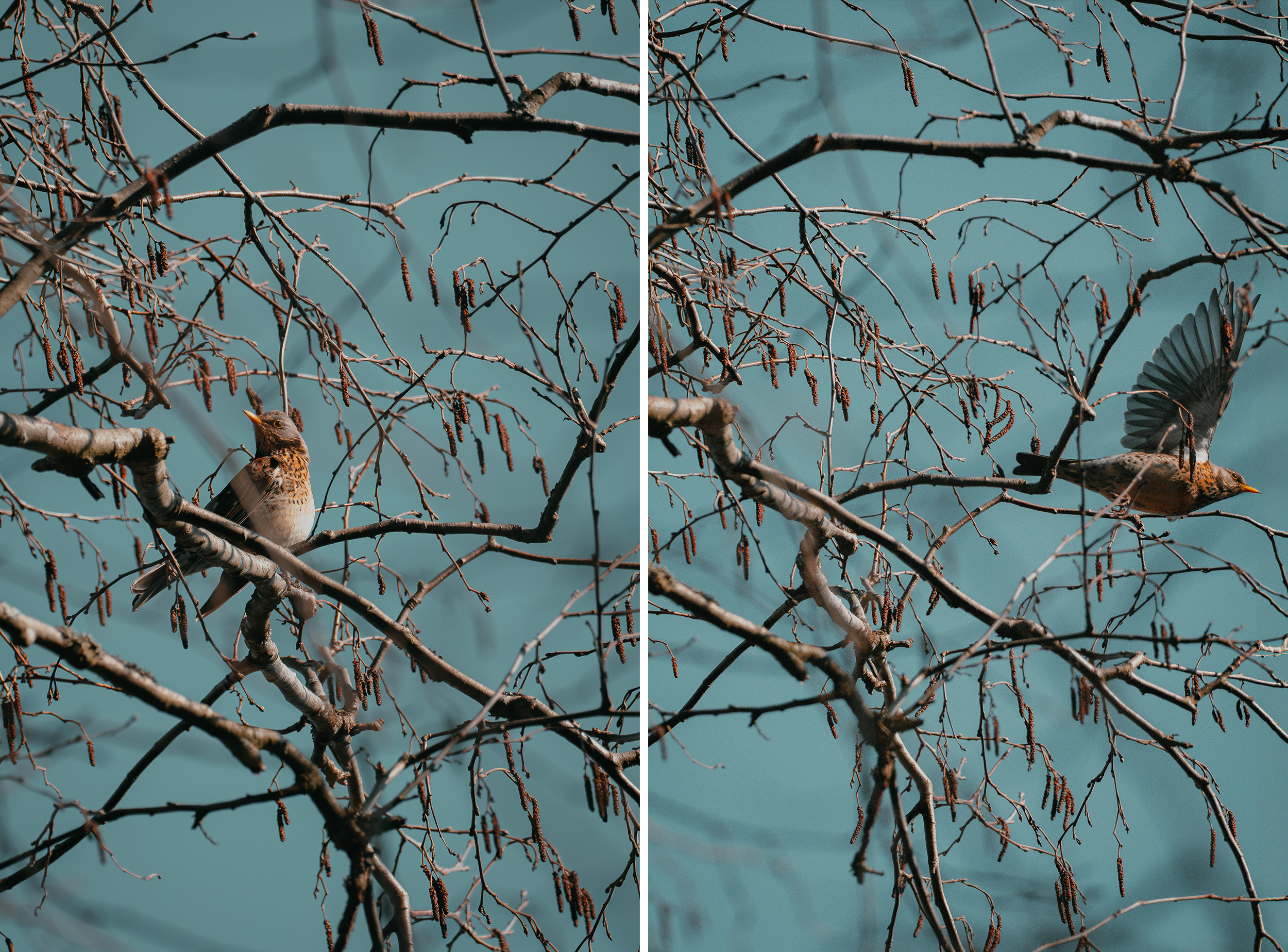
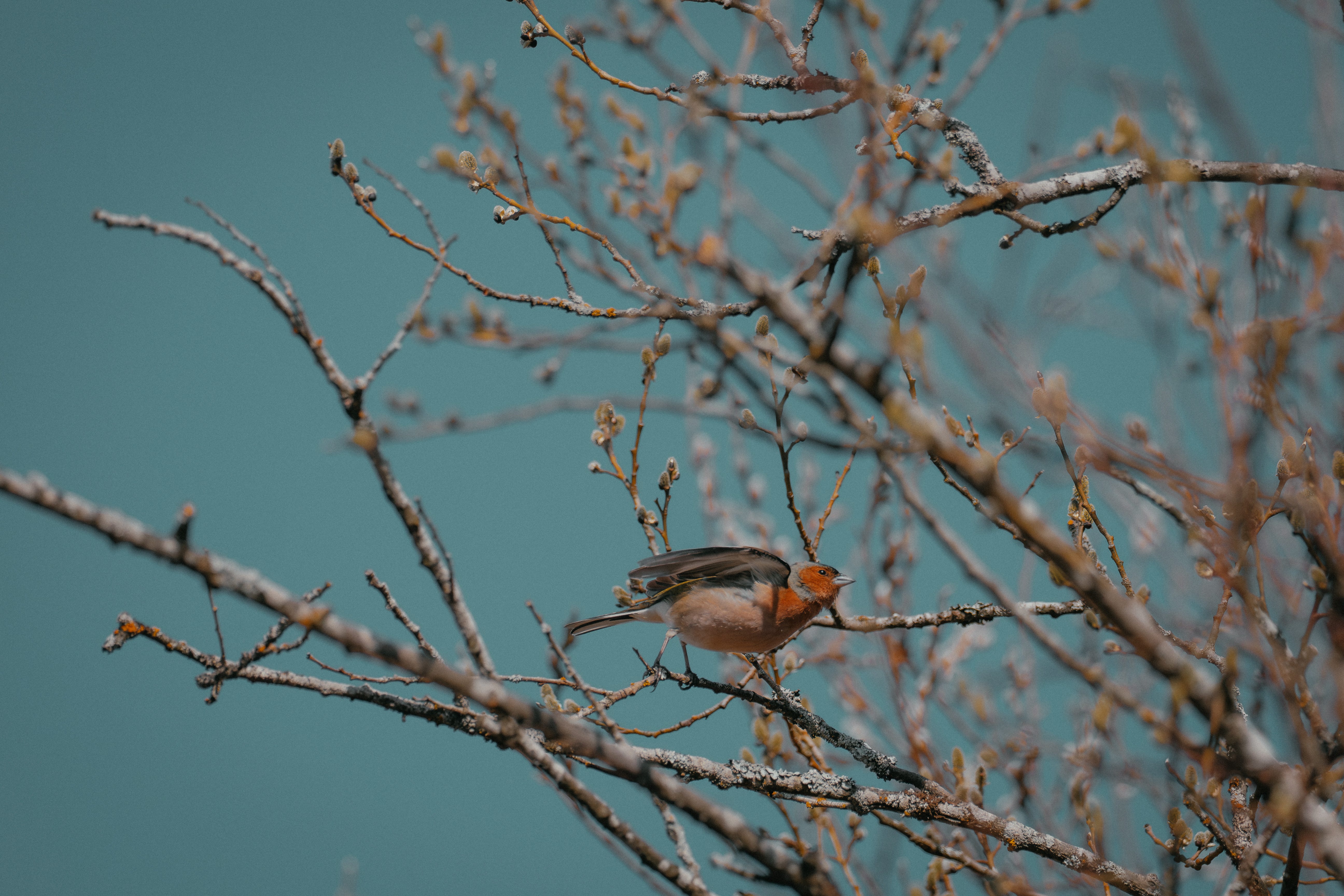
I like showing a bit of the tree / surroundings to put the bird in perspective and show the habitat it moves through. It helps tell a story.
And can we talk briefly about wings? The shape of them, and the way light passes through them - it’s gorgeous. I definitely want to capture a lot more birds in flights just to see their wings spread. To fly, what an incredible thing!
In this video you can tag along with me as I explore a new area in the hopes of some bird photography, where some of the photos in this post were shot:
Some bad news
I apologize for also being the bringer of bad news. But now that I am studying nature care and biodiversity, I have come to understand the importance of birds and the threat they're facing.
Don’t worry, I will share positive, actionable things further down!
Because we are cutting down our forests and mowing our lawns, there aren't enough plants for a diverse range of species when it comes to insects and pollinators. Which means what? Well, there’s not enough food nor the right habitats for insects, and so they die and their numbers dwindle. What happens when we have less plants insects? There is less food, shelter and nest material for the birds, and as a result our bird population decreases.
Why does it matter if the birds die?
First and foremost, no animal should suffer the effects of us humans living on this earth. But that is not a good enough reason for most people, sadly. So, we need to spread information about what they do for us.
Birds help maintain insect populations (along with bats), which means we have less mosquitoes on our deck when we are having a backyard BBQ. But, that can also help control the spread of malaria, and of course they are a natural agricultural pest control, without the use of pesitcides. They help with pollination of crops and seed dispersal, which ensures we have food on the table. They are also significant contributions to ecosystem health, as well as our own mental health. The calmness one feels upon hearing birdsong should not be underestimated. They also boost the economy through birding, and act as "indicator species" for environmental safety.
The seed dispersal does not just ensures farmer have a good crop and we get food on the plate, they also help a lot of wild plants spread. But if that happens less as the bird pupulation declines, we end up with even less habitats and food for insects. And then less food for birds, and it becomes a bit of a vicious cycle…
On top of that, because we have so many street lights and lights in our gardens and lights in our cities that make us feel safe (even though we are also animals that need that darkness and that rhythm and balance between day and night) some insects wake prematurely or fly to the wrong area, and don't make it to where they should go for mating. Cause they're tricked by our lights and then that results in less insects and less food for the birds. And a lot of birds also end up flying the wrong way when they migrate, because they're attracted to lights near our big cities.
There are a lot of problems, sadly created by us.
But there is a lot we can do to help!
If, like me, you have a garden, you can stop mowing your lawn. And don’t keep it so neat and tidy. Create paths, but leave more untouched. Let the wildflowers grow, plant more flowers for the pollinators, leave dead wood or put up insect hotels so the bugs have safe spaces to nest, eat from and mate in. Put up birdhouses, turn off any unnecessary lights you have. You can switch to lights around your property that only turn on due motion so that they're not on all the time. Put a bell on your cat.
Here’s a list from Cornell Lab with more simple actions to help
In the winter, you can support the birds that stay by feeding them (as long as you feed them what they actually need so read up on that) and leave a lot of your dead plants come fall. Don't cut them down to clean up for winter. Because the what's left standing and stick up out of the snow, have produced seeds that the birds can eat throughout winter.
We need to think about nature as a system that feeds us and keeps us healthy, and humans have made it much harder for certain species, which will affect us. We will run out of recreational spaces, food and clean air.
But if we all do a little to help local species, it makes a huge difference.
Creating these posts where I blend photography with knowledge of nature and ecology and use a mix of media: words, photos, video and audio, take a lot of work. So if you like this kind of content and would like to show your support, an easy way to do so is to buy me a coffee.
It would mean a lot to me ♥︎
With your help I can fund building a pond in my backyard to
further help the biodiversity of insects, frogs and birds!
Live slow, stay wild // Rania
Grain & Fern is a free, reader-supported publication. To receive new posts and support my work, consider becoming a subscriber, upgrading your subscription or simply treating me to a cup of coffee.
Amazing photos as always, and aslo some good for thought in your text. A few years ago we dug a big pond at the end of our land, I wanted it so that wildlife would always have water to drink even during the dry summer. The ammount of tracks from moose and roe deer tells me it was a success 😍
Great post and pics. I'll be going out with the app tomorrow to see what I can pick up in my local park, what a great initiative.
Also... that comment re Pokémon is so accurate, who knew my childhood card collection was priming me for birding at 40.